Emergency Mold Removal
Not every mold situation is urgent in the same way. Here's what actually is, and what to do about it while the clock is running.
What actually makes this an emergency
Mold that's already established — a patch you've noticed and been meaning to deal with — isn't a race against the clock. What is: a burst pipe, a fresh roof leak, a flooded basement, or anything else putting water into the house right now. Once material has been wet for a day or two, growth becomes a real possibility rather than a remote one — see mold removal after water damage for exactly how that window works and what changes once it's passed.
Confusing the two leads to the wrong priority. If nothing is actively wet, the priority is a proper assessment, not speed. If something is actively wet, the priority is stopping and drying it — described below — before growth has a chance to start at all.
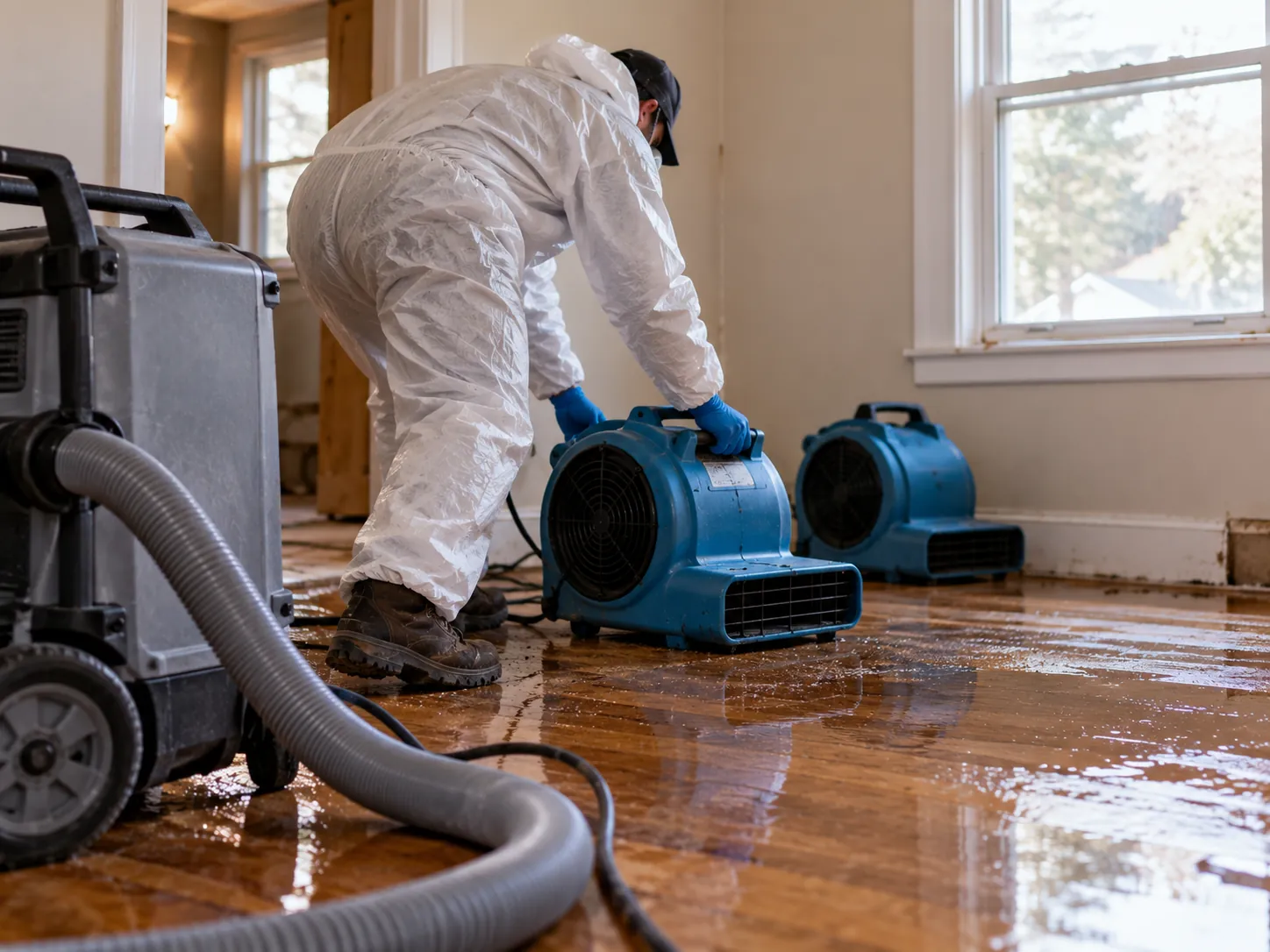
What to do while you're waiting to be seen
None of this requires special equipment, and doing it early is what actually determines whether you're dealing with a cleanup or a mold problem afterward.
- Stop the water if it's safe to. Shut off the main valve for a burst pipe. If it's a roof leak in a storm, that usually has to wait.
- Get standing water and wet items out. Furniture, rugs, boxes — anything porous that's been sitting in water should come out of the affected area as soon as it's safe to move.
- Get air moving. Fans, and a dehumidifier if you have one. Open windows if the weather allows. The goal is drying the space out, not just removing visible water.
- Photograph before you clean up. Useful for an insurance claim regardless of how it turns out, and it costs nothing to do while you're already there.
A longer version of this, including why the window matters specifically, is in mold removal after water damage.
Being honest about what we can promise
We're not going to claim a guaranteed response time we can't actually back up — plenty of sites promise "24/7 emergency service" without the operation behind it to mean anything. What's real: call and describe the situation, including that water is actively involved, and you'll get an honest answer on next steps. The 24-to-48-hour window is what genuinely matters here, not the first hour.
Questions about urgent situations
Is existing mold I've had for a while an emergency?
Not in the same sense. Mold that's been there for weeks or months isn't getting meaningfully worse by the hour — what matters for that is getting it assessed and scoped properly, not speed. "Emergency" here specifically means active water: a burst pipe, a fresh flood, a roof actively leaking. That's the situation where the clock is actually running.
What should I do in the first hour after a pipe bursts or a flood?
Stop the water source if you safely can — shut off the main valve for a burst pipe. Remove standing water and get wet items out of the affected area. Start air moving with fans if you have them, and open windows if the weather allows. None of that requires special equipment, and doing it in the first hour or two makes a real difference to what happens next.
Can you guarantee a specific response time?
No, and we'd rather say that plainly than promise something we can't back up. What we can tell you is that the window that actually matters is the first 24 to 48 hours after water exposure, not the first hour — get in touch and describe the situation, and you'll get a straight answer on next steps.
Describe what's happening
Include that water is actively involved and roughly when it started — that's what actually shapes the answer you'll get.